Research Program
My work runs along three lines.
Youth, stress, and substance use. The Gen Z health behavior survey covers four ideal typical regions in China proper, examining substance use and addiction—especially electronic cigarettes—against the youth stress of an increasingly atomized society. My team studies how economic, cultural, and social family capital generate stress processes for adolescents and young adults.
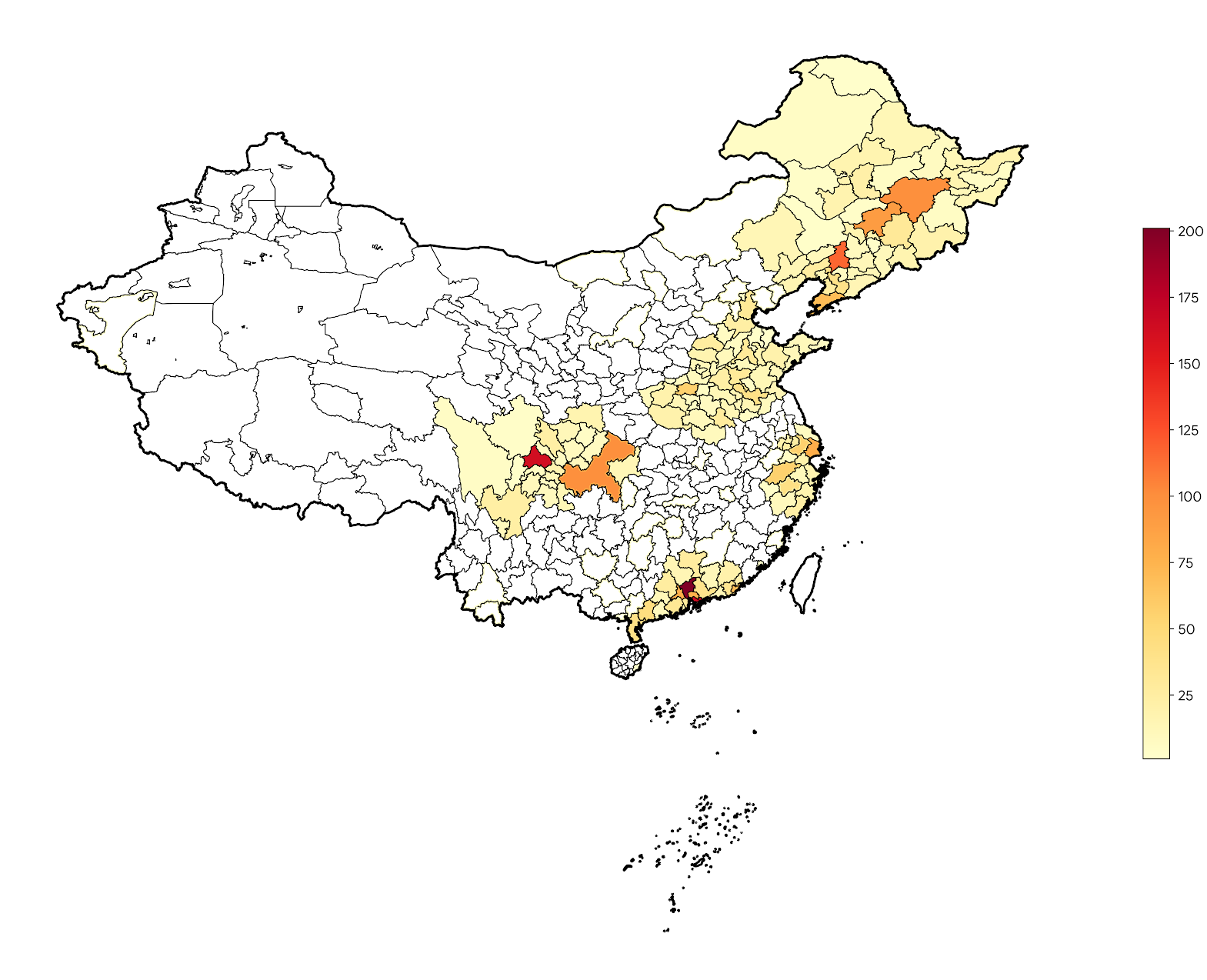
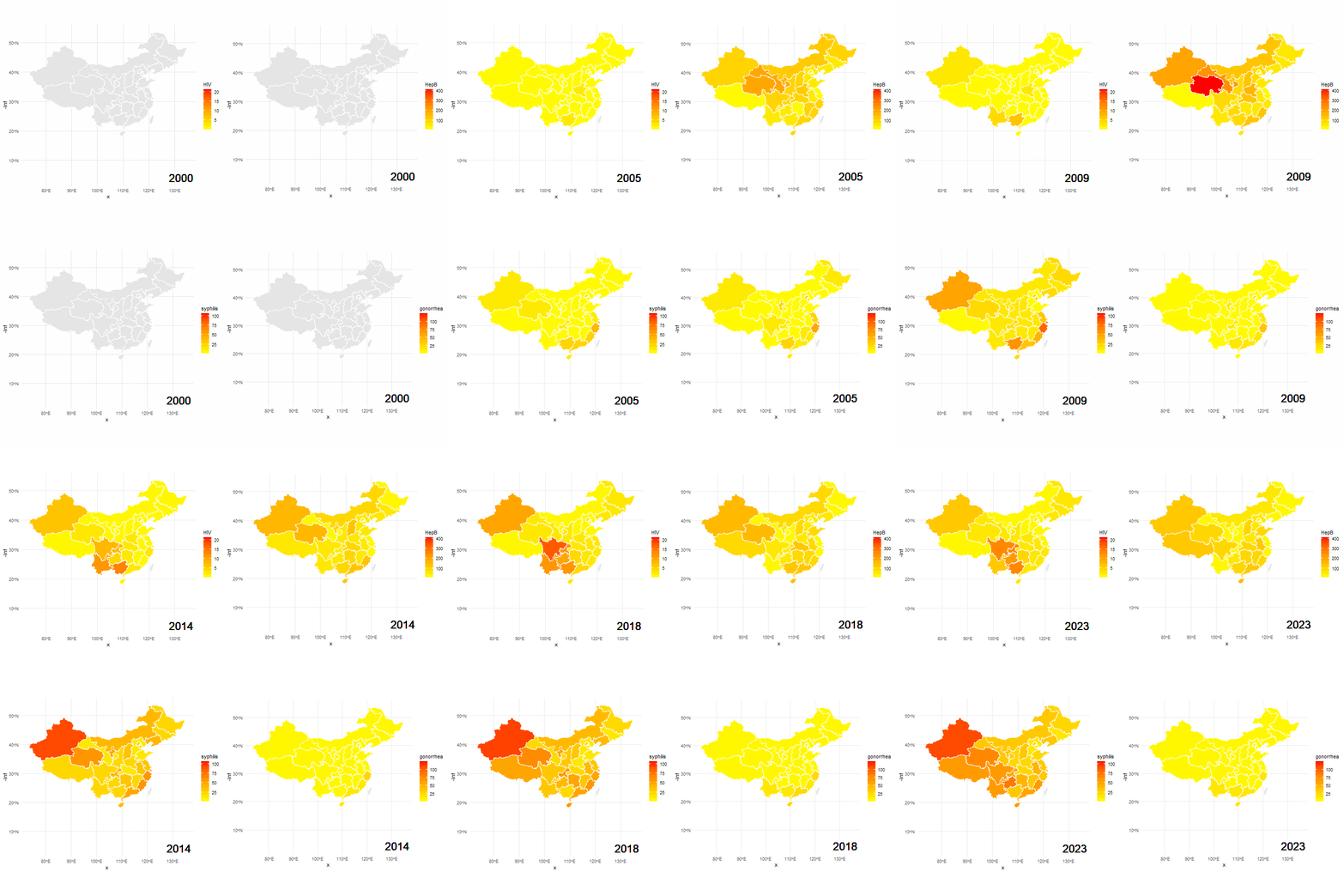
The spatial epidemiology of STIs. Province-level administrative data from 2000 to 2023 reveal a puzzle: STI types across mainland China don't move together. If sexual risk behavior or intravenous drug use were driving provincial HIV increases, syphilis should climb alongside it—and it doesn't. That points to context-level risk factors that structurally shape epidemiology and cannot be reduced to individual behavior or socioeconomic characteristics. I'm testing this with theory-driven models alongside machine learning.
Ethnic context and health in East Asia. With my graduate students, I study how ethnic context shapes health and demographic outcomes. I define that context broadly—not ethnicity alone but communal culture, since newer nation states often lump heterogeneous groups under a single official label. Using spatial data on the distribution of people and events, some of it harmonized across East Asian countries, I measure clustering and distance between populations to ask how fitting in—or being left out of—a mainstream culture affects health.